Deck Restoration vs. Deck Replacement: An Honest Breakdown
Bmore Exteriors participates in affiliate programs — if you buy through our links, we may earn a commission at no extra cost to you. Learn more.
Every contractor has a favorite job, and around here it's the deck restoration that turns a gray, tired-looking deck into something the neighbors slow down to look at. But we've also told plenty of homeowners the hard truth: this deck isn't a restoration. It's a replacement.
Here's the decision framework we actually use on estimates, so you can figure out which camp your deck falls into before anyone comes out with a ladder.
Our Bias, Stated Up Front
Our bias, stated up front: when the bones are good, restoring a deck beats replacing it — it's cheaper, it's faster, and a sound structure doesn't need to be torn down. But a restoration on a deck that's structurally finished is money thrown away. Here's how to tell the difference.
When Restoration Is the Right Call
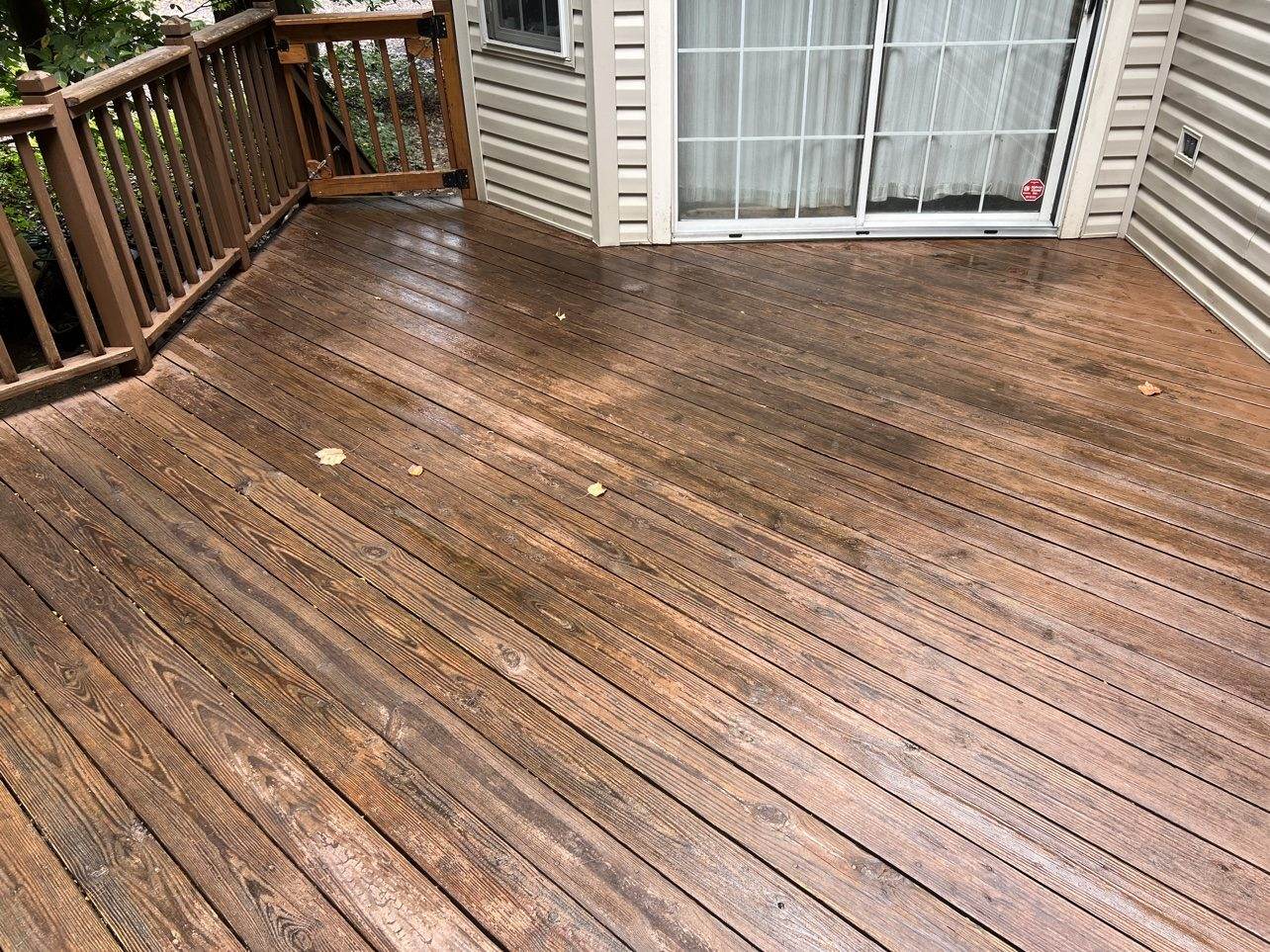
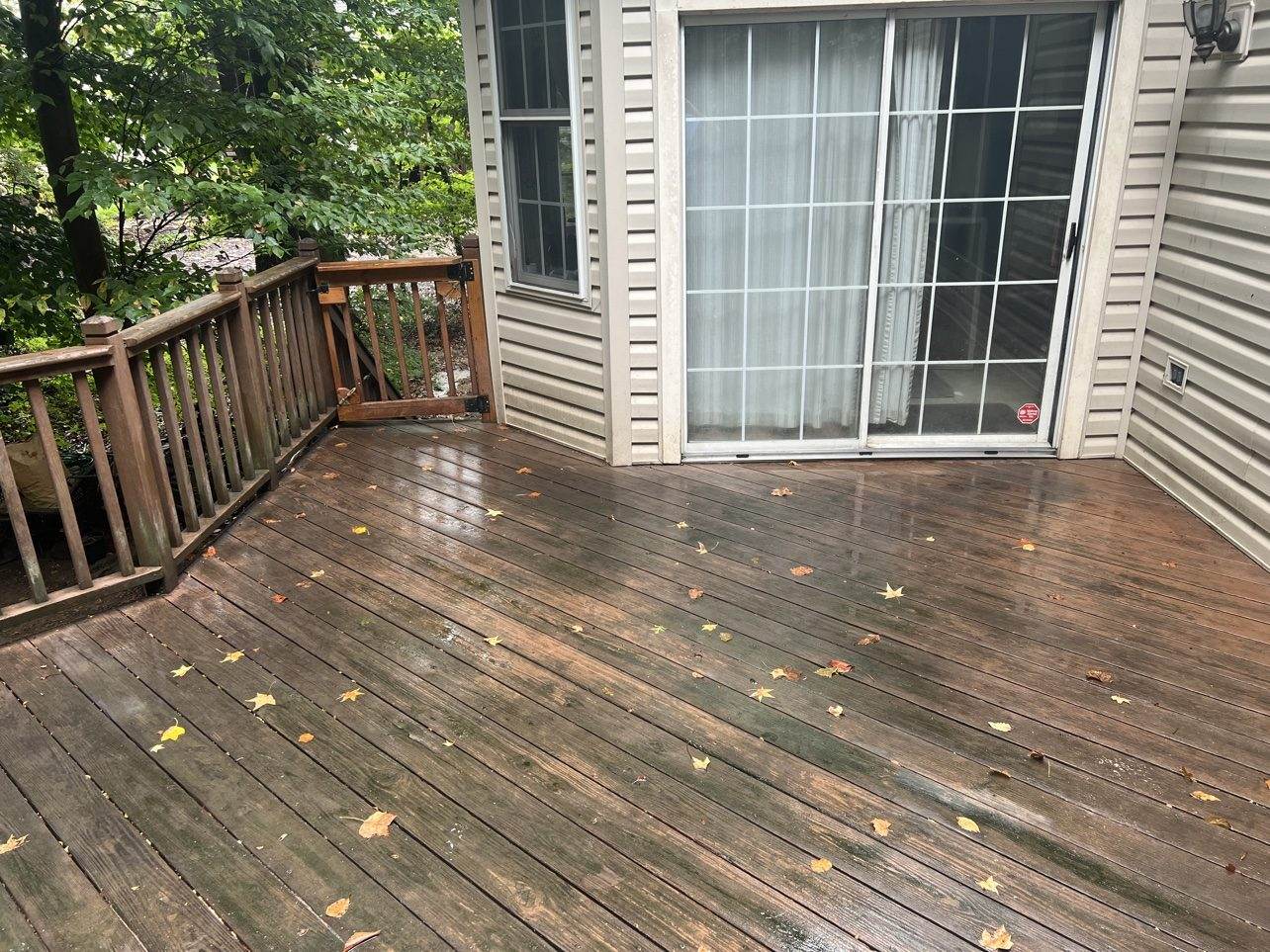
Restoration works when the structure is sound and the damage is surface-level. Most tired-looking decks in the Baltimore area fall into this category. The typical culprits:
- Graying and discoloration. Unsealed pressure-treated pine grays out within 2–3 years in Maryland's sun-and-rain cycle. That's a surface issue, not a structural one.
- Peeling or worn stain. When old stain flakes off, the wood underneath is usually fine. It just needs proper prep and a fresh coat.
- Mildew and algae. Maryland humidity is brutal on decks — especially shaded north-facing ones. Green and black growth looks terrible, but a proper wash and brightening handles it. (This is the single most common deck misdiagnosis: an "I need a new deck" situation that turns out to be a restoration instead.)
- Rough, splintery boards. Sanding plus a fresh stain/seal can buy a splintery surface several more years of comfortable barefoot summers.
- A handful of bad boards. Replacing 5–10 deck boards during a restoration is normal and expected. Replacing 40 is a different conversation.
When Replacement Is Required
No amount of stain fixes these:
- Rot in the joists, posts, or beams. Press a screwdriver into the framing underneath the deck. If it sinks in easily in multiple spots, the structure is compromised. Surface boards can look passable while the frame is failing — the top hides the truth.
- Rot in the ledger board. The ledger is the board that attaches the deck to the house. A rotting or poorly flashed ledger is the most dangerous deck defect there is. If the ledger is failing, the deck needs to be taken apart and rebuilt properly.
- Structural movement. If the deck bounces excessively, leans, or the railings wobble at the posts (not just a loose baluster), something structural has given way.
- Rotted support posts. Posts sitting directly on soil or buried in it will rot from the bottom up. If multiple posts are soft at grade, rebuilding is the honest recommendation.
A good contractor will get underneath the deck during an estimate. If someone prices your deck from the patio without crawling underneath, get a second opinion.
The Middle Ground: Partial Rebuild
Not every deck is a binary choice. The most common in-between case: the framing is solid, but the railing is rotten, or the stair stringers have had it. Railings, stairs, and landing areas can be rebuilt while tying into the existing frame — new pressure-treated lumber integrated with sound structure. It costs more than a surface restoration and far less than a full replacement, and it's the right call more often than people expect.
What Restoration Actually Includes
A real restoration is more than "power wash and stain." Here's what a professional-grade restoration job covers:
- Deep cleaning. A pressure wash or soft wash to strip gray fibers, dirt, and mildew from the wood. Technique matters here — too much pressure gouges pressure-treated pine and leaves permanent wand marks.
- Brightening. A wood brightener (oxalic-acid based) after washing neutralizes the cleaner, evens out the color, and reopens the wood's pores so stain absorbs evenly. Skipping this step is the difference between a stain that lasts two years and one that lasts five.
- Sanding. Rough spots, raised grain, and remaining old finish get sanded smooth. This is the step most rushed jobs skip, and it's the one you feel with your bare feet.
- Selective board replacement. Rotten or badly split boards come out; new pressure-treated boards go in. Note: brand-new boards will look brighter than the rest for the first season — totally normal, and it evens out.
- Stain and seal. A quality penetrating deck stain (we're partial to semi-transparent for pressure-treated pine, which protects without looking painted) applied in the right weather window.
deck cleaner and brightener kit
Affiliate link placeholder — real link added later.semi-transparent deck stain
Affiliate link placeholder — real link added later.Depending on size, this runs over several days — prep is the bulk of the work.
Cost Comparison: Restore vs. Replace
For a typical ~300 square foot pressure-treated deck in Howard County, the broad ranges:
- Professional restoration: roughly $1,800–$3,500, depending on condition, board replacement count, and stain choice.
- Full replacement: roughly $12,000–$20,000+ for the same footprint with pressure-treated lumber, more with composite or hardwoods.
That's a wide gap, which is exactly why the honest assessment matters. Restoration is not a band-aid — on a structurally sound deck it buys 5–8 years or more before you'd revisit the question. And here's the part contractors won't always say: if the frame has less than 5 years left anyway, a light restoration to carry you to the eventual rebuild can be the smartest money you spend.
How to Do a Quick Self-Check
Before calling anyone, spend 20 minutes on your deck:
- Walk it slowly. Note soft or bouncy boards (mark them with chalk).
- Crawl underneath with a flashlight and a screwdriver. Poke the joists, posts, and ledger. Solid wood resists; rot doesn't.
- Grab the railing posts and push. Minor wobble at a baluster is cosmetic; movement at the post base is structural.
- Look at the ledger board where the deck meets the house. Soft wood or missing flashing is a red flag.
If everything below is solid and only the top is ugly, you're almost certainly a restoration candidate.
The Bottom Line
The deck industry makes more money on replacements, so you should know our bias runs the other way: restore when the bones are good. It's less expensive, it's faster, and a properly restored deck looks and feels like a new one for a fraction of the cost. When the bones aren't good, a restoration on a rotting frame is money in the wrong place.
Not sure which camp your deck is in? Get underneath it — or have a contractor do it during an estimate — and judge the frame first. The structure decides the answer, not the surface.