Vinyl Siding Repair: Common Problems in Maryland Homes
Bmore Exteriors participates in affiliate programs — if you buy through our links, we may earn a commission at no extra cost to you. Learn more.
Siding is one of those parts of a house that nobody thinks about until something looks wrong. The good news: a surprising amount of "siding problems" in Maryland are simple, cheap fixes — and some of the ugliest-looking ones aren't problems at all. Here's the honest rundown of what we actually see on Maryland homes, what's a repair, and when it's time to talk about residing.
Wind-Loosened Panels
What it looks like: A section of vinyl siding hanging loose, flapping, or lifted after a storm. Sometimes a panel has dropped down and is hanging from one nail.
What's going on: Vinyl siding isn't nailed tight — it's hung on a track, and the locking tabs snap together. High winds can pop the tabs loose, especially on older installs where the tabs have worn. This is Maryland's most common siding call after storm season, and it's usually the easiest fix there is.
The fix: The panels re-lock with a zip tool (a small hand tool made for the job — a few dollars at any hardware store)
siding zip tool
Affiliate link placeholder — real link added later.. A pro can re-lock a whole section in under an hour — typically a $100–$200 service call. (Cracked panels get replaced, not re-locked.)
Cracked or Brittle Vinyl
What it looks like: Cracked panels, often on the south or west walls that take the most sun. Older vinyl becomes brittle and cracks when hit — a ladder, a ball, a heavy hailstone.
What's going on: Vinyl degrades with UV exposure. After 20–30 years, especially on sun-heavy exposures, the panels get brittle and lose impact resistance. This is normal aging, not a defect.
The fix: Individual panels can be replaced — this is one of vinyl's genuine strengths. The challenge is color matching: old panels have faded, and a new panel from the same color name will look slightly brighter. Options:
- Replace only the damaged panels and accept a slight shade difference (fades to blend within a year or two).
- Replace a full wall section for a uniform look.
- If brittleness is widespread and panels are cracking everywhere, that's a sign the siding is at end of life — see the residing section below.
Per-panel replacement typically runs $150–$400 per panel installed, depending on height and access.
Melted Siding Near Grills
What it looks like: Warped, melted, or bubbled vinyl siding next to a grill, smoker, or sometimes a reflective window concentrating sunlight.
What's going on: Vinyl melts at relatively low temperatures — a grill too close to the wall will warp panels in a single cooking session. The concentrated-sun reflection version is less common but real, and it tends to reoccur if the window isn't addressed.
The fix: Replace the affected panels (same as cracked panels above). Then move the grill — 3–4 feet of clearance is the minimum. This one is fully preventable, and it's one of those calls where the repair is cheap and the lesson is free.
Algae and Mildew: Usually Just a Wash
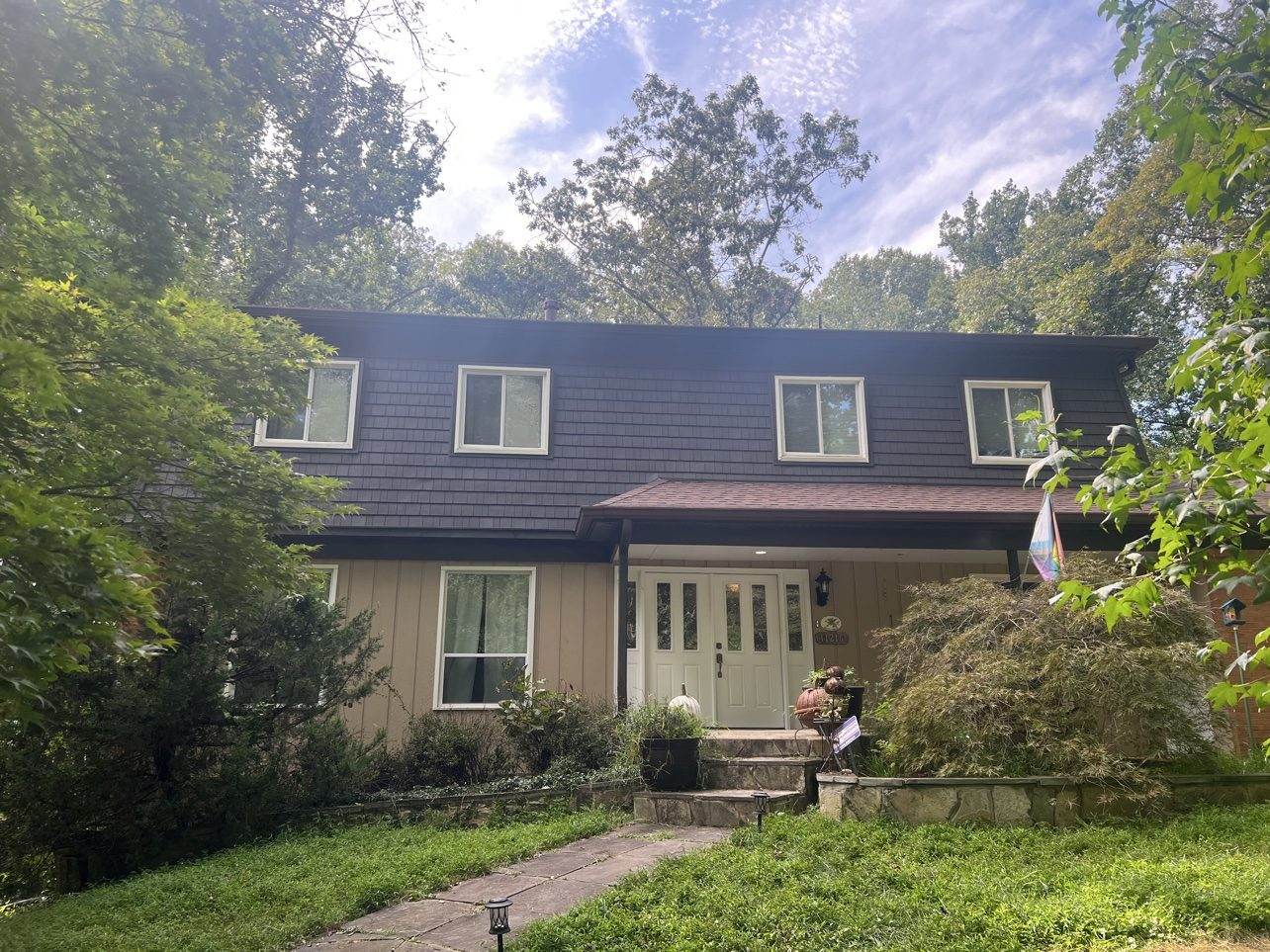
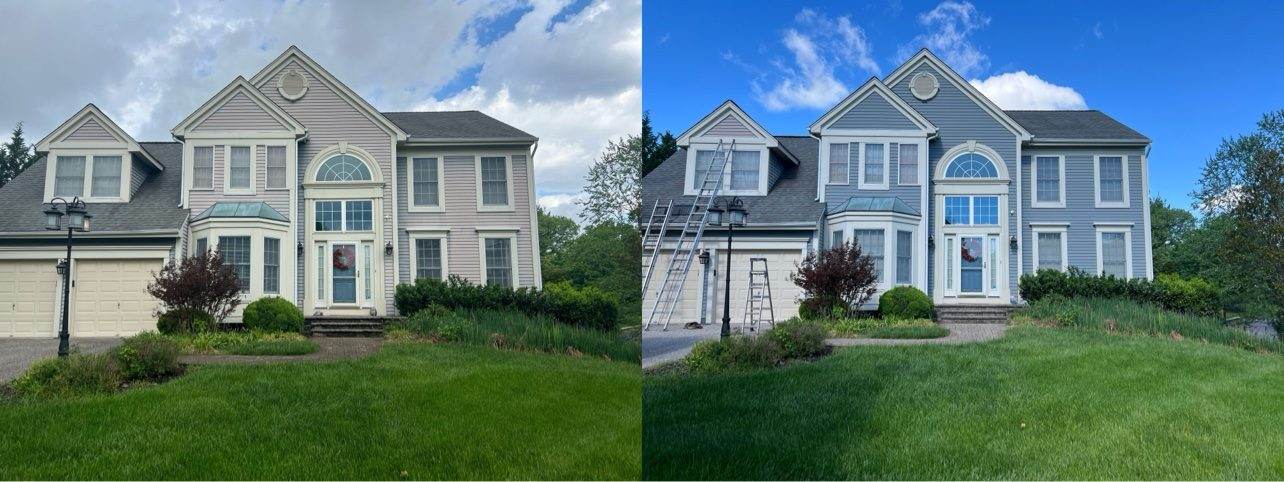
What it looks like: Green or black streaks on vinyl siding, worst on north-facing and shaded walls, under eaves, and near trees.
What's going on: Maryland humidity. The shaded sides of houses here grow algae like clockwork every year. It's organic growth sitting on the surface, not damage to the siding.
The fix: This is the call we love, because the answer is almost always "it just needs washing, not replacement." A soft wash (low pressure plus the right detergent) clears it in an afternoon and costs $300–$600 for a typical two-story home — versus $15,000+ for new siding you'd never have needed. If a contractor tells you mildew-covered vinyl needs to be replaced, get a second opinion. The siding underneath is almost certainly fine.
One caution: do not let anyone pressure-wash vinyl siding at high pressure. It drives water behind the panels, can crack brittle panels, and voids some manufacturer warranties. Soft wash is the correct method.
house wash detergent / soft wash kit
Affiliate link placeholder — real link added later.Woodpecker and Insect Damage (Wood Siding)
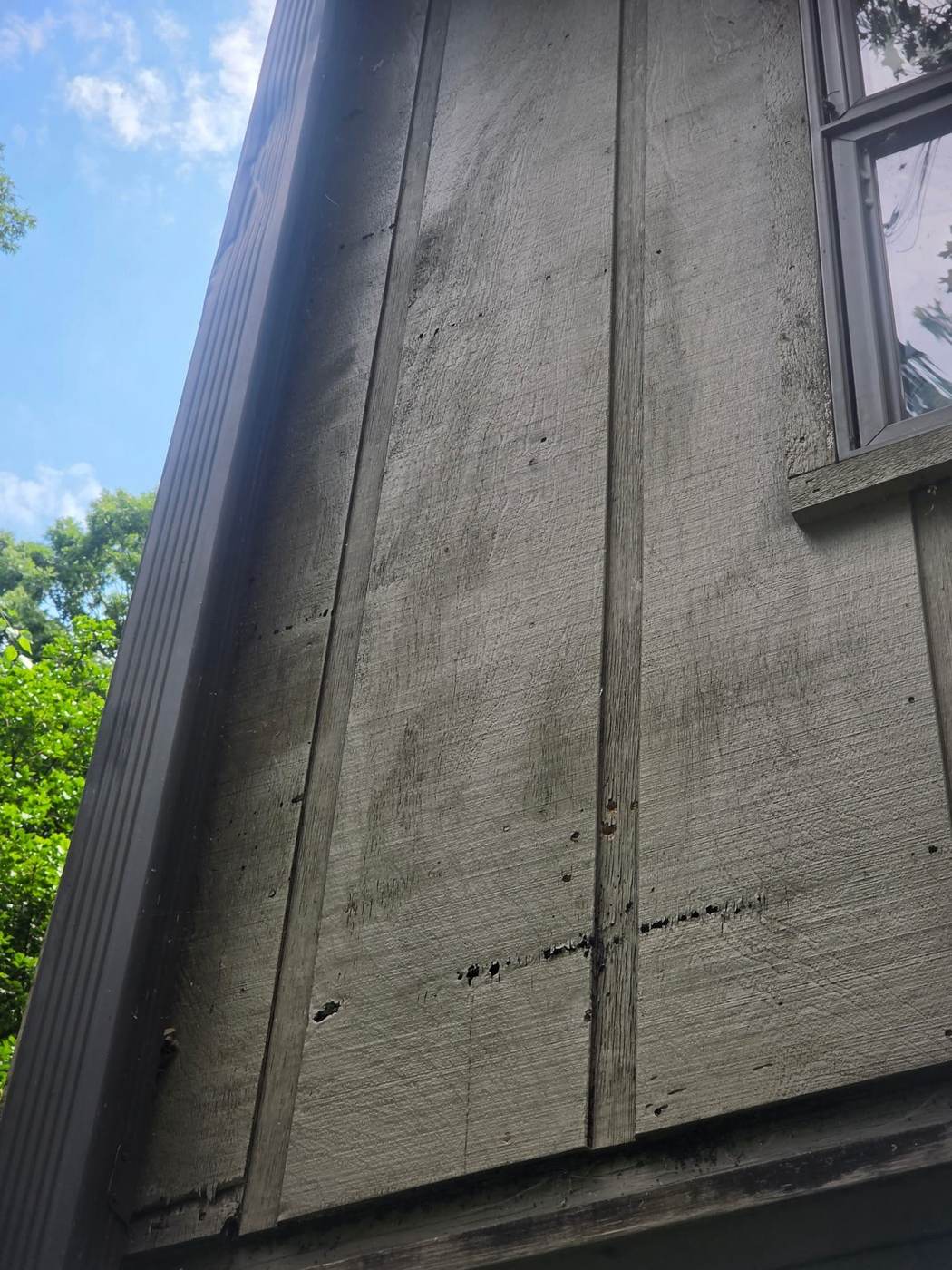
What it looks like: Rows of small holes (insects — usually carpenter bees or wood-boring beetles) or larger irregular holes and torn areas (woodpeckers, which are often going after the insects underneath).
What's going on: This affects wood siding, T1-11, and cedar — not vinyl. The insects come first; the woodpeckers are the symptom, not the cause. If you fix the holes but not the insects, you'll be fixing holes again next year.
The fix: Small holes can be filled and sealed with exterior wood filler and painted over — a straightforward $200–$500 repair for a localized area
exterior wood filler
Affiliate link placeholder — real link added later.. Widespread damage means board replacement. And treat the insect issue — borate-based treatments or a pest control visit — before or alongside the repair, or you're painting over a problem that's still active.
Rotted Wood Siding at the Foundation Line
What it looks like: The bottom edge of wood siding is soft, crumbling, or missing where it meets the foundation or ground.
What's going on: This is the #1 failure point for wood siding, and it's almost always a moisture problem from below: mulch piled against the siding, grade sloping toward the house, a missing or failed drip edge, or no gap between the siding bottom and grade. The siding itself isn't the root cause — the water is.
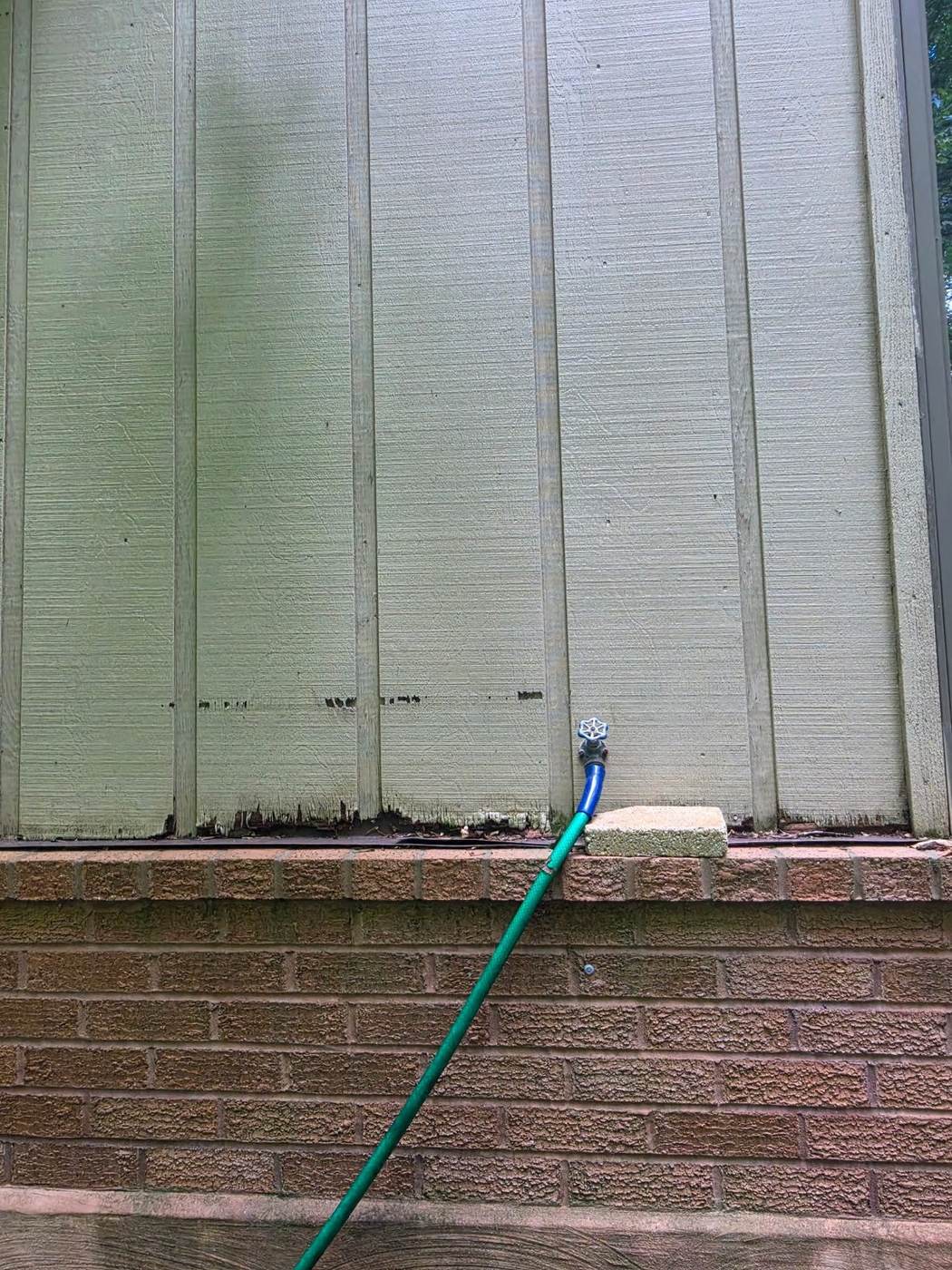
The fix: Replace the rotted boards, but find the moisture source first. Replace boards without fixing the water issue and you'll replace them again in five years. Typical fixes alongside the board replacement:
- Pull mulch and soil back to maintain 4–6 inches of clearance between grade and siding bottom.
- Regrade so water flows away from the foundation.
- Install or repair flashing/drip edge.
A localized repair runs $400–$1,200 depending on board and trim count. The drainage correction is usually simple and cheap — and it's the part that prevents a repeat.
The Window and Trim Areas
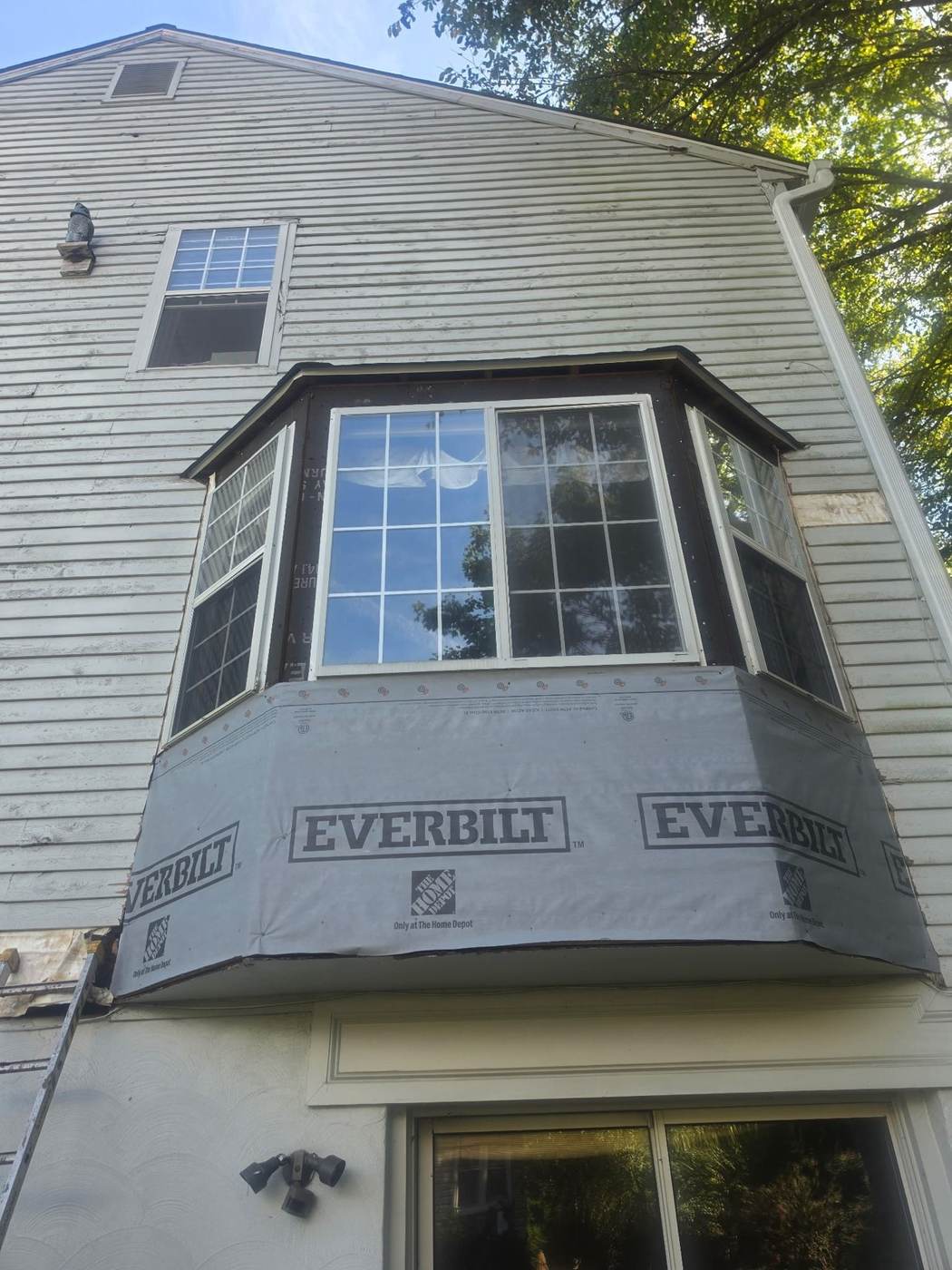
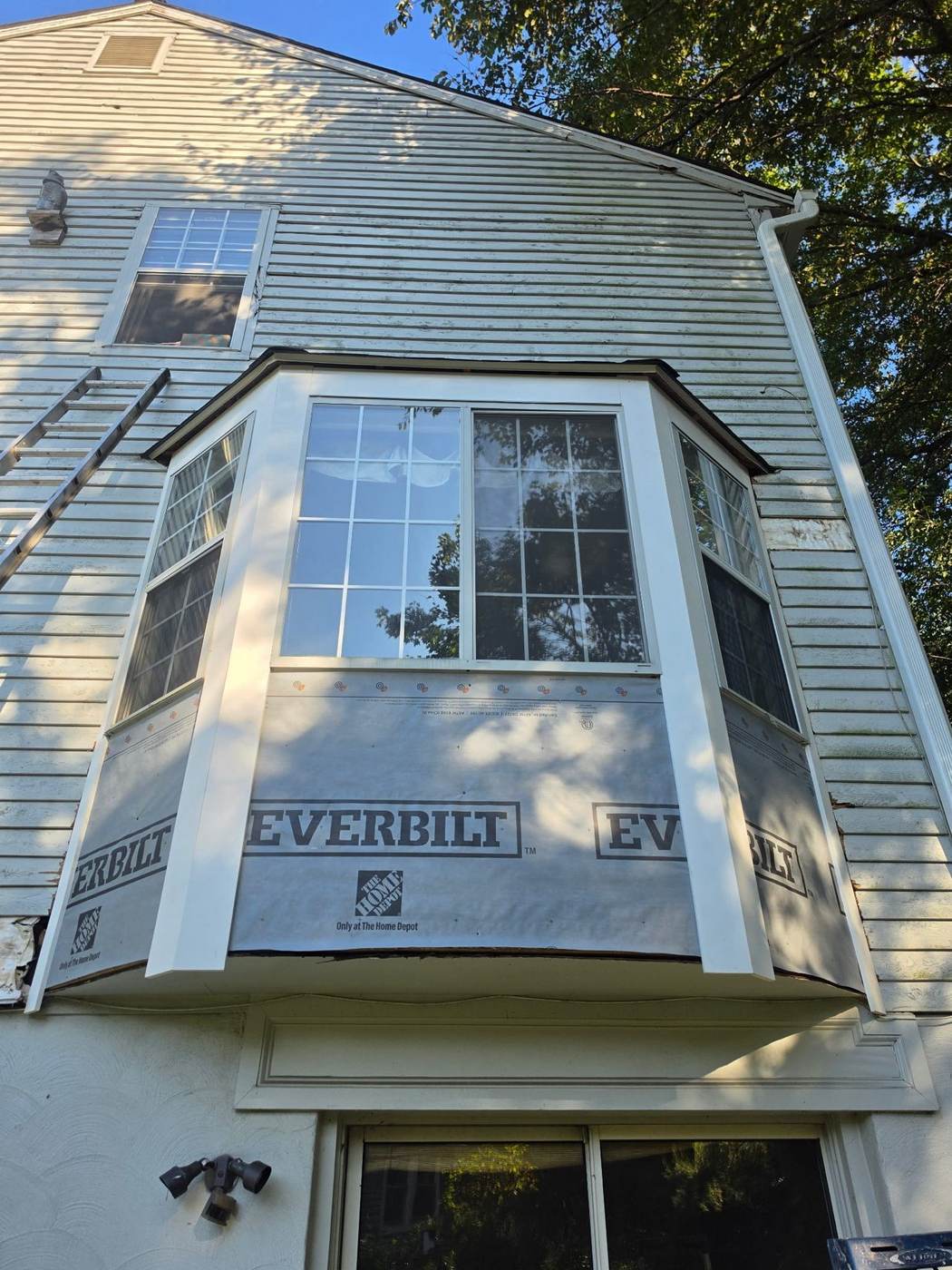
Worth a separate note: the spots around windows, doors, and corner boards are where siding repairs concentrate. Bay windows especially — the geometry creates water-trapping details, and older installs often skipped proper house wrap or flashing underneath. When a bay window area gets opened up for siding repair, the right sequence is house wrap and proper corner boards before the new panels go on. It takes longer than a cosmetic patch, but it's the difference between a repair that lasts five years and one that lasts twenty.
When Repair Suffices vs. When Residing Makes Sense
Repair it when:
- Damage is localized — a few panels, one wall section, one area of wood siding.
- The siding is under 20 years old and otherwise in good shape.
- It's a surface issue (mildew, algae) rather than a material failure.
- The underlying structure and sheathing are sound.
Consider residing when:
- Vinyl is brittle across multiple walls and cracking from routine contact.
- Wood siding has rot in multiple locations — the whole system has been taking water.
- You're planning to sell in the next few years and the siding is the first thing buyers see.
- Energy upgrades are planned anyway — residing is the natural time to add insulation and house wrap.
A full residing on a typical Maryland home runs $15,000–$30,000+ depending on size, material, and prep work. It's a major investment — which is exactly why it's worth getting honest eyes on the problem first. The honest answer is usually the smaller one — a $400 repair where a $20,000 residing isn't needed. The point is getting plain answers about which one your house actually needs.
A Quick Self-Check for Homeowners
Walk your house once a year — spring is ideal — and look for:
- Loose or flapping panels after storms.
- Cracked or brittle panels on sun-heavy walls.
- Green/black growth on shaded walls (usually just needs washing).
- Soft spots at the bottom of wood siding near the ground.
- Holes from insects or woodpeckers on wood siding.
- Water stains on siding below windows (a flashing clue).
Catching these early is the difference between a $200 repair and a $2,000 one.
Most siding problems are localized — a few panels, a corner, a bay. Start by identifying which problem you're actually looking at, and let that decide whether it's a repair or a bigger conversation.